


Designing with Foresight: When to Hire a Smart Home Integrator in Your Custom Build
For architects, interior designers, and custom home builders, a luxury home is a study in coordination. Every finish, fixture, and structural detail serves a unified vision. Technology has become just as central to that vision. The systems behind the walls, from lighting control and whole-home audio to enterprise-grade networking and security, are no longer optional additions. They're foundational.
But here's what we see regularly at Fusion Audio + Video, working alongside build teams across the Carolinas and Georgia from our offices in Greenville, Asheville, and Bluffton: technology gets treated as a finish rather than a system. It gets called in late. And late means expensive.
Speaker placement gets compromised. Equipment closets get carved out of finished storage. Keypads interrupt wall finishes that were months in the making. The design suffers, the schedule suffers, and the client relationship suffers along with it.
That’s why the question isn't whether to include smart home technology in a luxury build. It's when to bring your integrator in.
When Should We Involve Fusion?
As early as possible. Ideally during the schematic design phase, before a single wall is framed.
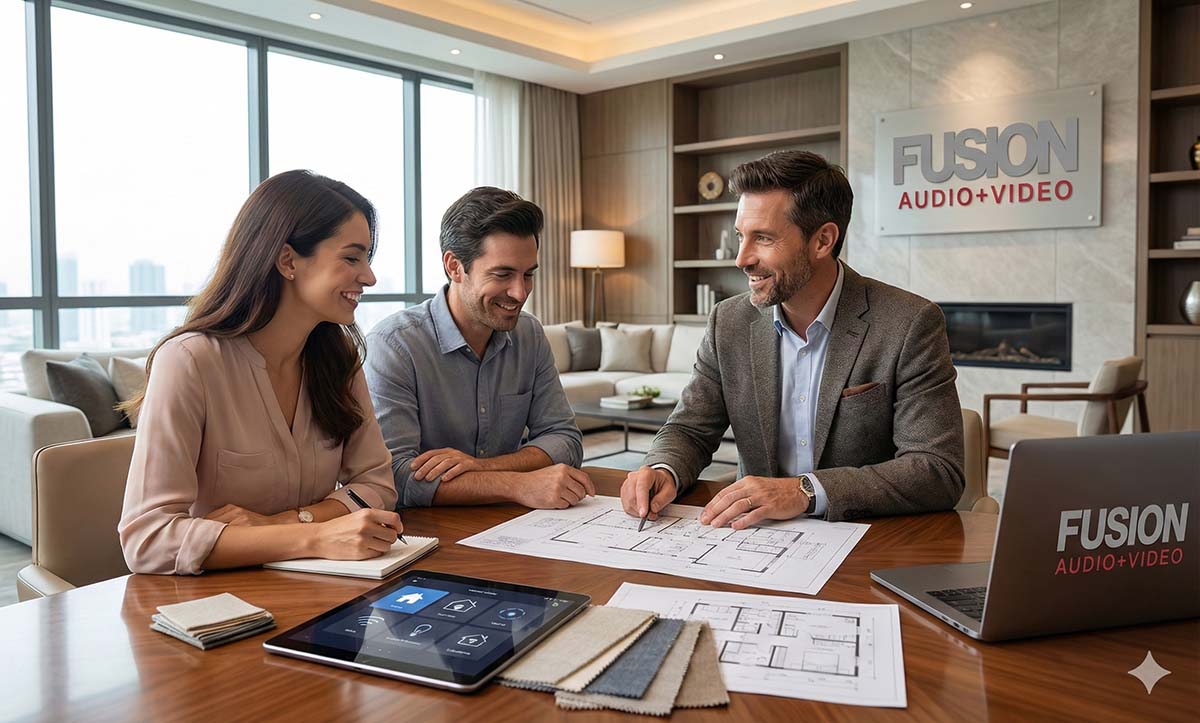
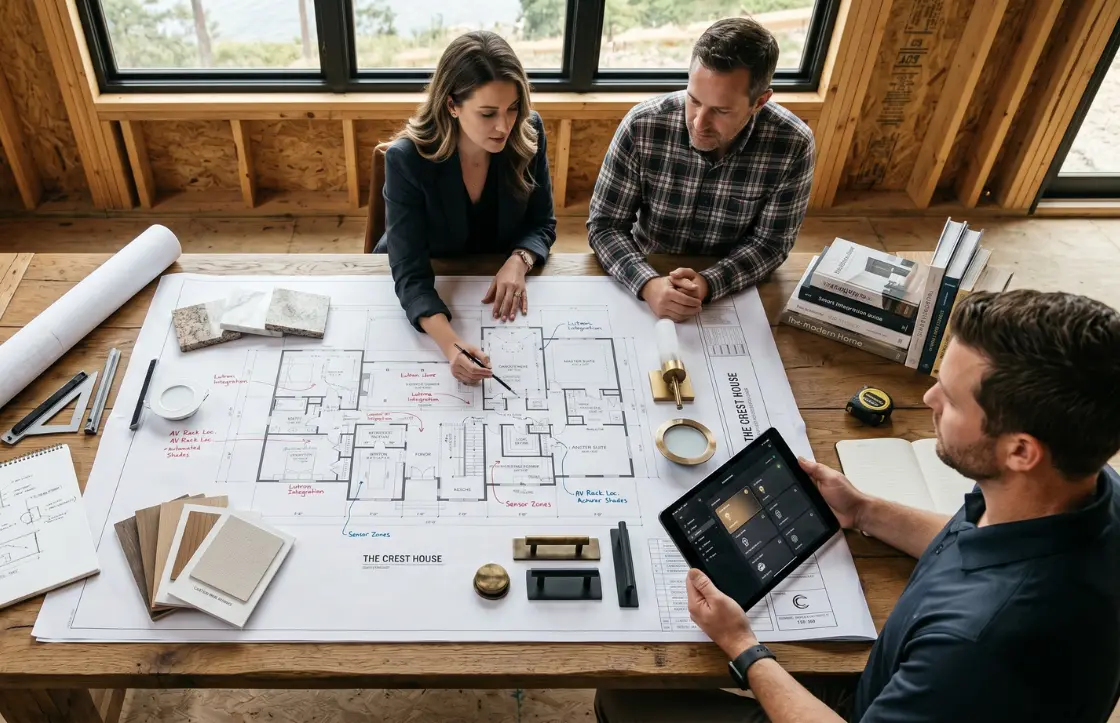
Smart home integration isn't a product you add at the end. It's a system that has to be engineered alongside the structure itself, the same way plumbing, electrical, and HVAC are coordinated before construction starts. When Fusion is brought in during the design phase, we produce detailed wiring plans that overlay directly with your architectural and electrical plans. Technology gets designed into the home, not retrofitted around it.
Early collaboration means hidden equipment closets are planned, not improvised. Flush-mounted finishes are specified from the start. Rough-in runs are coordinated with HVAC and plumbing so trades don't collide on site. The result is a cleaner build, a tighter schedule, and a home that works exactly as the design intended.
The Ultimate Smart Home Construction Timeline
Here's how Fusion integrates into a typical luxury custom build and where the critical milestones fall.
1. Discovery Phase
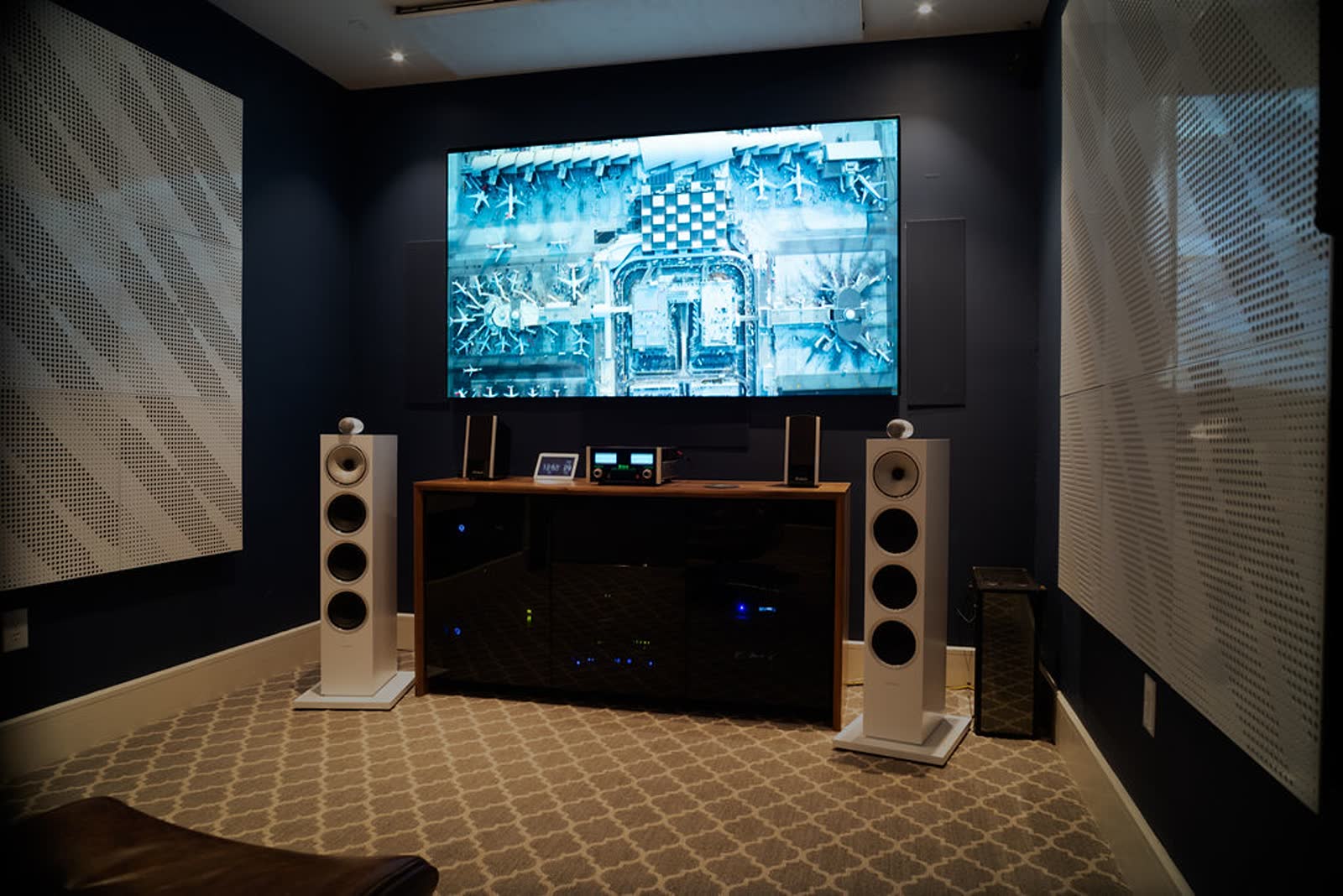
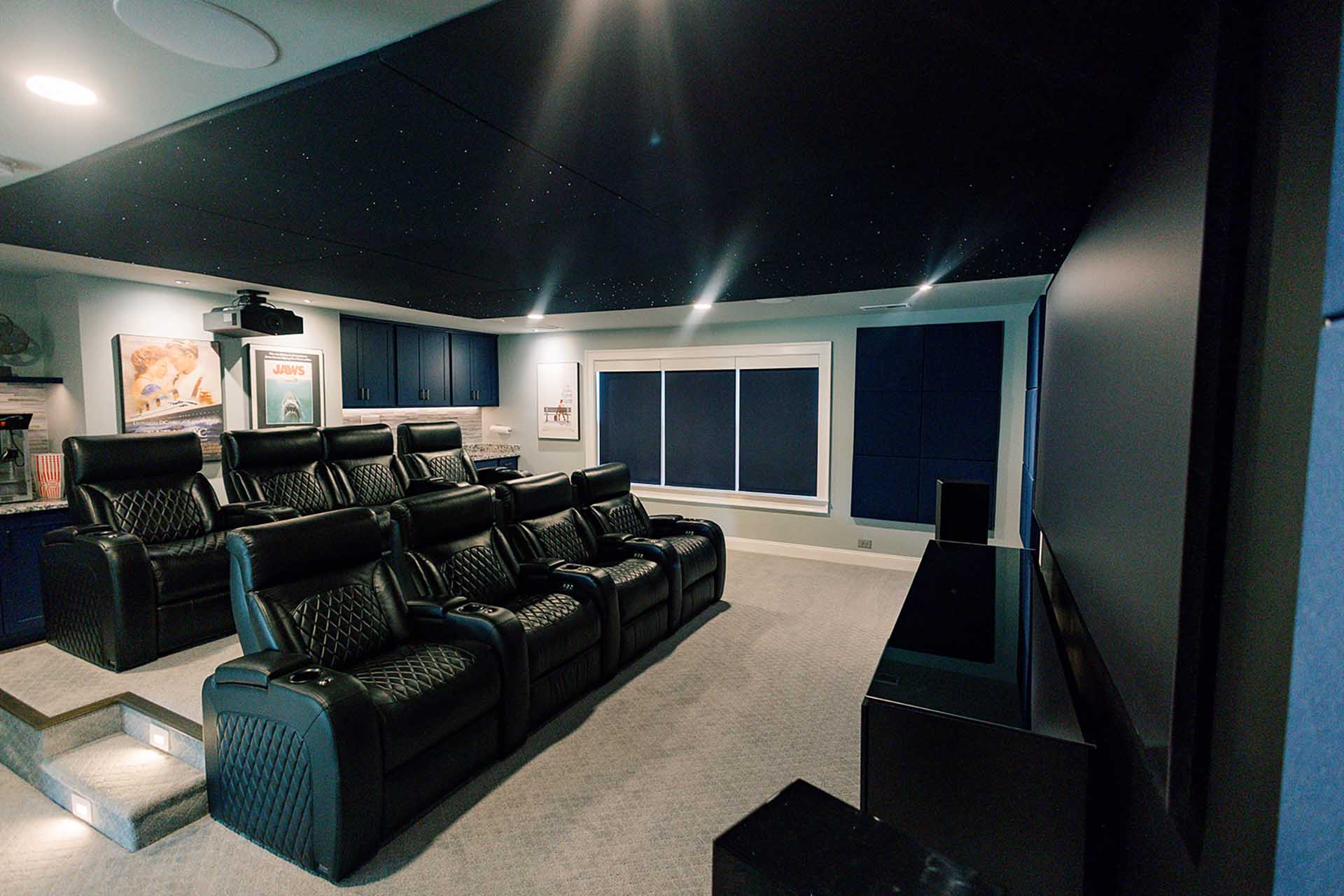
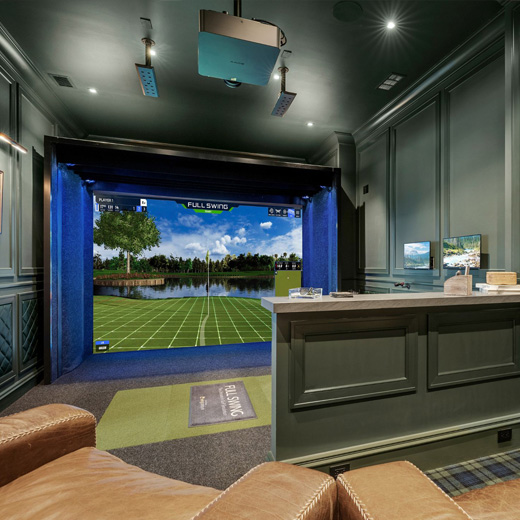
When structural engineering begins, we sit down with the client and design teams to establish a lifestyle profile. What does this household actually need? A dedicated home theater? A golf simulator? Discrete whole-home audio? The answers shape everything that follows: system design, conduit routing, closet sizing, and control platform selection. This phase shouldn't happen after framing.
2. Design Development & Construction Documentation
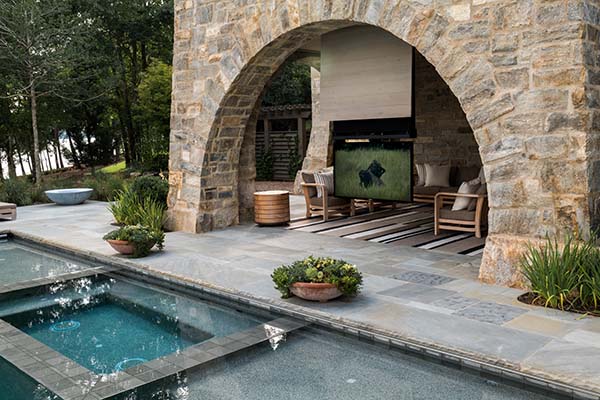
We produce comprehensive low-voltage schematics that coordinate with the architect's and electrical engineer's plans. Lighting and motorized shade pockets are detailed into structural headers. Conduit pathways are finalized so AV lines can run cleanly from the central rack to outdoor living areas, detached guest suites, or any corner of the property without structural interference.
3. Framing & Mechanical Rough-In
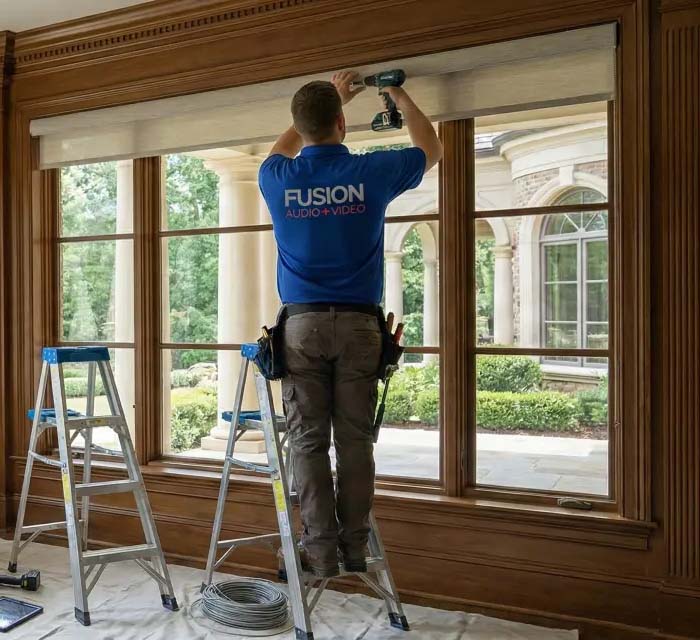
Before insulation and drywall, our crews install mounting boxes for flush-mounted TVs, architectural speakers, and touch panels, and run low-voltage wiring in dedicated pathways. We coordinate these runs precisely with HVAC ductwork and plumbing to keep trades from conflicting and inspections from stalling. After rough-in is complete, we scan the full home for quality control.
4. Trim-Out and Finishes
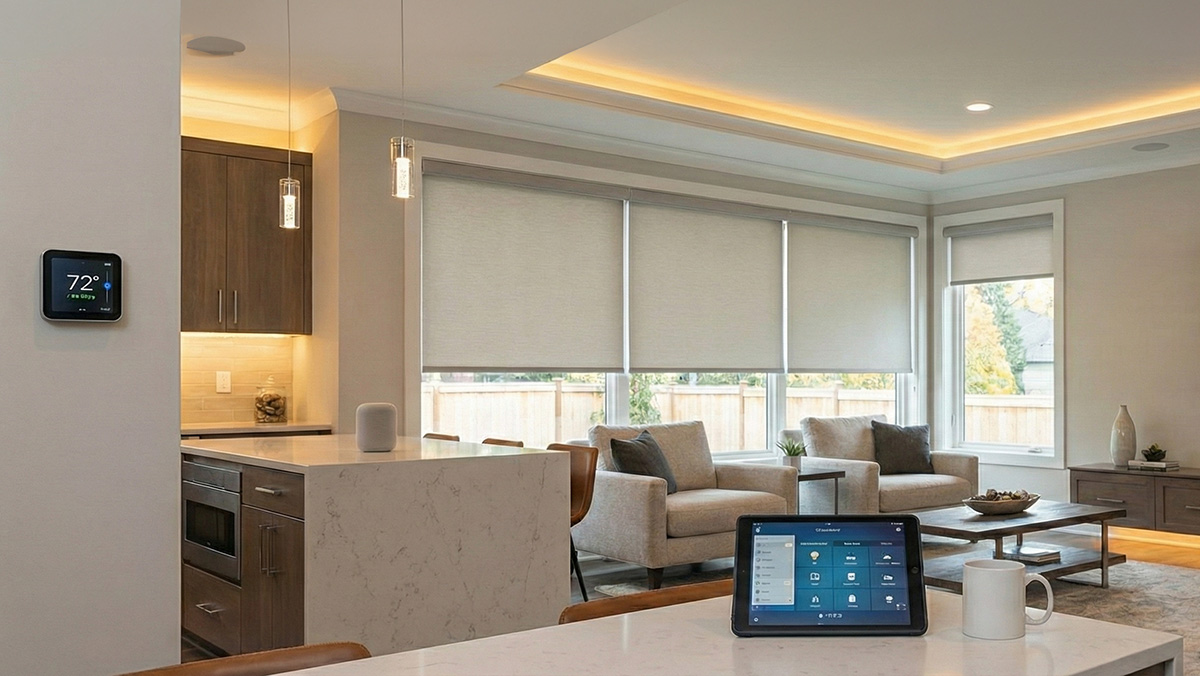
As drywall goes up and finishes are applied, the technology disappears into the architecture. We install elegant keypads matched to the interior designer's color palette and hardware selections. Motorized shades are hung. Architectural speaker grilles are fitted flush.
5. Commissioning, Programming, & Handover
With construction complete, the central equipment rack is installed and a full enterprise-grade network is deployed, the backbone every reliable smart home depends on. Our programmers customize interfaces, tune audio to the room's specific size and shape, and build automated scenes. One button press arms the security, lowers the shades, and turns off every light in the house. We finish with a comprehensive walkthrough so homeowners are confident from day one.
The High Cost of Retrofitting: Why AV Shouldn't Be an Afterthought
When technology planning gets delayed until the drywall stage or post-occupancy, the financial consequences can be severe. Retrofitting a luxury home for comprehensive automation after construction is completed results in substantial change orders, scheduling disruptions, and compromised aesthetics.
Real-World Financial Consequences of Rework
System Type | Planned Cost (During Design) | Retrofit/Rework Cost (Post-Drywall) | The Structural & Aesthetic Penalty |
Motorized Shading (Hard Wire) | $0 Additional Structural Cost | $5,000 – $25,000+ | Cutting into finished headers, rebuilding drywall pockets, repairing custom crown molding, and repainting. |
Whole-Home Audio (Hard Wire) | Standard Pre-Wire Labor | $8,000 – $30,000+ | Cutting access holes in drywall across multiple finished ceilings, fishing wire blindly through insulated walls, and extensive patch-and-paint labor. |
Central Equipment Rack | Dedicated, Ventilated Closet Space | $4,000 – $20,000+ | Adding auxiliary cooling units to unventilated spaces, tearing out finished millwork to pass cables, or losing premium closet space. |
Enterprise Wi-Fi & Network | Optimal Ceiling Access Points | $3,000 – $10,000+ | Visible surface-mounted hardware, exposed wire molding, or settling for sub-par wireless extenders that drop signal through dense construction materials (e.g., plaster, concrete, steel). |
Beyond the financial line items, treating AV as an afterthought inflicts an emotional toll on the build team and the client. Project timelines stall, trade relations fracture over who is responsible for repairing opened walls, and the homeowner's initial moving date slips into the distance.
Frequently Asked Questions (FAQs)
Why can't our electrical contractor handle the low-voltage and smart home wiring?
Electricians are specialists in high-voltage power distribution, exactly what the code requires of them. Smart home integration requires a different discipline entirely: network design, wireless signal management, and the specialized wiring standards that keep systems from interfering with each other. A licensed integrator produces detailed plans that dictate exactly how those lines run to prevent signal loss, interference, and system failure. It's a separate trade, not an add-on.
What is the footprint required for a smart home system?
It scales with scope, but a typical 5,000ft² fully automated home needs a single or double full-height equipment rack in a dedicated, climate-controlled closet with a minimum of 4' x 5' and rear service access for proper airflow. Plan that space from the beginning. Trying to carve it out after the fact is one of the most expensive retrofits we see.
Can we just rely on Wi-Fi instead of running low-voltage wires?
In a luxury home built with modern materials like plaster, concrete, and steel, wireless signals don't travel well. Depending entirely on Wi-Fi for security cameras, audio streams, and automation control leads to slow response times, drop-outs, and frustrated homeowners. Hard-wired connections handle the load. Wi-Fi handles the phones and tablets. That's the right division of labor.
How does early integration protect the interior designer's vision?
It eliminates what we call "wall acne," the cluster of individual switches, controls, and boxes that accumulate when technology is added piecemeal. When we're involved early, all of that consolidates into a single, elegant architectural keypad. We can also specify truly hidden technology: in-wall speakers that sit flush behind paint, wallpaper, or venetian plaster, invisible until you press play.
At what point in the design process do we select specific technology brands and control platforms?
The control platform, which determines how everything is wired and where equipment lives, should be selected during the Discovery phase. Consumer-facing hardware like TVs, speaker grilles, and touchscreens can wait until Design Development. That sequencing keeps structural work on schedule while giving the design team room to finalize aesthetics.
Who handles the space planning and structural requirements for the technology infrastructure?
We do, in direct coordination with your team. Fusion provides full wiring specifications during Design Development, detailed enough to hand off to your structural engineer and electrical contractor with no ambiguity, and early enough to prevent any late-stage surprises.
Elevate Your Next Project with Fusion Audio + Video
When smart home integration is planned from the start, it protects your schedule, your budget, and your design. When it's an afterthought, it costs all three.
Fusion Audio + Video partners with custom home builders, architects, and interior designers across the Carolinas and Georgia. Our offices in Greenville, Asheville, and Bluffton serve projects throughout the region, and our design-first process means technology is planned into your architectural drawings from day one, not bolted on at the end.
Ready to bring us into your next luxury build? Reach out to our nearest office to schedule a design consultation.